What They Develop
- Curiosity and factual knowledge
- Reading comprehension
- Research and reference skills
- Vocabulary growth
- Critical thinking
- Interest in science, history, nature, and the world
Explore kids toys, games, and activities with more clarity.
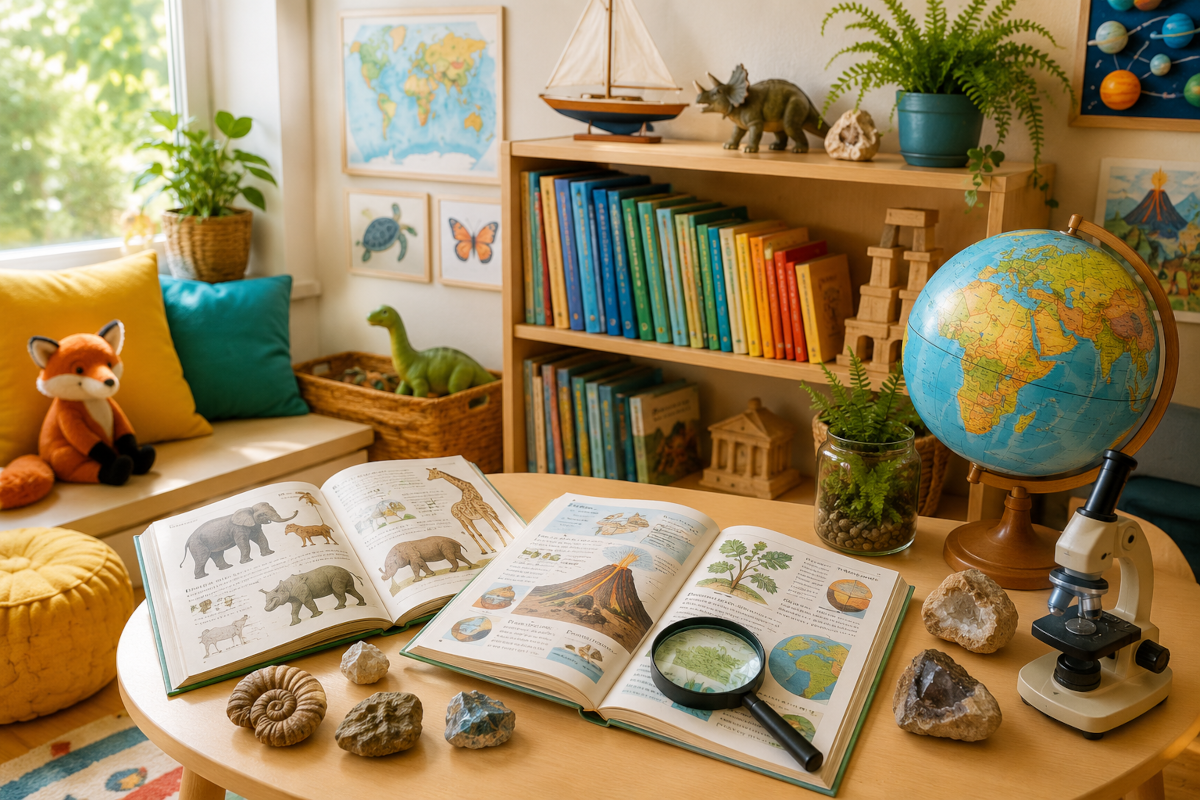
Non-fiction and educational books help children explore real-world topics such as science, animals, history, geography, nature, people, inventions, and how things work. They can support school learning while also giving curious kids a way to follow their own interests.
This group includes science books for kids, history books, animal encyclopedias, and history guides. They work well for independent reading, homework support, classroom research, homeschool learning, project work, and children who enjoy facts, diagrams, photos, timelines, and explanations.
Choose books that match the child’s age, reading level, and emotional readiness. Some non-fiction books may include topics such as war, disasters, extinction, illness, death, predators, or difficult historical events, so preview books when choosing for younger or sensitive readers.
Typically 4+ years for simple fact books and picture-based learning books, and 7+ years for detailed encyclopedias, history guides, science reference books, and longer educational titles.
Fact browsing, reference reading, school project research, parent-child discussion, classroom learning, homeschool lessons, topic-based reading, and independent exploration of favorite subjects.